State of Agent Readiness 2026
By Glintbase Research & Systems Intelligence Lab
Abstract
As autonomous coding agents transition from experimental playgrounds to production enterprise pipelines, the primary bottleneck has shifted from raw LLM reasoning to developer infrastructure accessibility. We audited 100 developer platforms across 10 industry cohorts with 1,000 automated Pathfinder traversal scans (a simulated, deterministic traversal; no LLM was called). Across the cohort, platforms averaged an Agent Readiness Score (ARS) of 50.7/100 (median 52, range 14–79), and needed a mean of 17.59 summed traversal hops across the 10 benchmarks, against a minimum of 10 (≈1.76×).
100-Platform Cohort Benchmark Explorer
Explore all 100 Agent Readiness Scores (ARS 1.0), benchmarks passed and summed traversal hops across 10 categories, taken directly from the published dataset. Correction (2026-10-12): an earlier version of this table listed scores that disagreed with the data, plus llms.txt adoption and live-harness pass rates that the published data cannot support (the llms.txt flag is true for every record, and the live runs have no published data).
| Platform | Category | ARS Score | Grade | Benchmarks Passed | Summed Hops |
|---|---|---|---|---|---|
| Runway(USA) | Dev Tools & Media APIs | 79 | Efficient (70-79) | 8/10 | 15 |
| Letta (MemGPT)(USA) | Orchestration & Frameworks | 73 | Efficient (70-79) | 9/10 | 12 |
| Exa(USA) | Vector Databases | 72 | Efficient (70-79) | 6/10 | 23 |
| Cerebrium(South Africa) | AI Infrastructure | 71 | Efficient (70-79) | 7/10 | 21 |
| OpenRouter(USA) | Gateways & Edge | 71 | Efficient (70-79) | 5/10 | 25 |
| Chroma(USA) | Vector Databases | 68 | Moderate (50-69) | 2/10 | 10 |
| Helicone(USA) | Observability & Evals | 68 | Moderate (50-69) | 2/10 | 10 |
| Vercel(USA) | Orchestration & Frameworks | 67 | Moderate (50-69) | 6/10 | 18 |
| Cohere(Canada) | Foundation Models | 66 | Moderate (50-69) | 9/10 | 12 |
| Writer(USA) | Foundation Models | 65 | Moderate (50-69) | 2/10 | 10 |
| Perplexity AI(USA) | Foundation Models | 65 | Moderate (50-69) | 2/10 | 10 |
| Fireworks AI(USA) | Foundation Models | 65 | Moderate (50-69) | 2/10 | 10 |
| Honeyhive(USA) | Observability & Evals | 65 | Moderate (50-69) | 2/10 | 10 |
| LangChain(USA) | Orchestration & Frameworks | 65 | Moderate (50-69) | 7/10 | 23 |
| Deepgram(USA) | Dev Tools & Media APIs | 65 | Moderate (50-69) | 7/10 | 12 |
| Tavily(USA) | Dev Tools & Media APIs | 65 | Moderate (50-69) | 2/10 | 10 |
| Together AI(USA) | Foundation Models | 64 | Moderate (50-69) | 2/10 | 10 |
| Hugging Face(USA) | AI Infrastructure | 64 | Moderate (50-69) | 5/10 | 19 |
| Composio(USA) | Dev Tools & Media APIs | 64 | Moderate (50-69) | 2/10 | 10 |
| Mistral AI(France) | Foundation Models | 63 | Moderate (50-69) | 2/10 | 10 |
| Baseten(USA) | AI Infrastructure | 63 | Moderate (50-69) | 2/10 | 10 |
| Langfuse(Germany) | Observability & Evals | 63 | Moderate (50-69) | 3/10 | 22 |
| Vapi AI(USA) | Dev Tools & Media APIs | 63 | Moderate (50-69) | 5/10 | 13 |
| Cloudflare AI(USA) | Gateways & Edge | 63 | Moderate (50-69) | 7/10 | 12 |
| Weights & Biases(USA) | Observability & Evals | 62 | Moderate (50-69) | 2/10 | 10 |
| CrewAI(USA) | Orchestration & Frameworks | 62 | Moderate (50-69) | 2/10 | 10 |
| AssemblyAI(USA) | Dev Tools & Media APIs | 62 | Moderate (50-69) | 4/10 | 22 |
| Firecrawl(USA) | Dev Tools & Media APIs | 62 | Moderate (50-69) | 2/10 | 10 |
| RunPod(USA) | AI Infrastructure | 61 | Moderate (50-69) | 2/10 | 10 |
| Turbopuffer(USA) | Vector Databases | 61 | Moderate (50-69) | 4/10 | 26 |
| ElevenLabs(USA) | Dev Tools & Media APIs | 61 | Moderate (50-69) | 8/10 | 12 |
| Browserbase(USA) | Dev Tools & Media APIs | 61 | Moderate (50-69) | 2/10 | 10 |
| Labelbox(USA) | Data & Annotation | 61 | Moderate (50-69) | 2/10 | 10 |
| AI21 Labs(Israel) | Foundation Models | 60 | Moderate (50-69) | 2/10 | 10 |
| Replicate(USA) | AI Infrastructure | 60 | Moderate (50-69) | 3/10 | 22 |
| Pydantic AI(UK) | Orchestration & Frameworks | 60 | Moderate (50-69) | 6/10 | 23 |
| Encord(UK) | Data & Annotation | 60 | Moderate (50-69) | 2/10 | 10 |
| AgentOps(USA) | Agent & Automation | 60 | Moderate (50-69) | 2/10 | 18 |
| Pinecone(USA) | Vector Databases | 58 | Moderate (50-69) | 2/10 | 10 |
| Lovable(USA) | Orchestration & Frameworks | 58 | Moderate (50-69) | 2/10 | 10 |
| Beam AI(USA) | Agent & Automation | 58 | Moderate (50-69) | 2/10 | 10 |
| Lakera(Switzerland) | Security & Guardrails | 58 | Moderate (50-69) | 5/10 | 13 |
| Anthropic(USA) | Foundation Models | 57 | Moderate (50-69) | 5/10 | 17 |
| Zapier AI(USA) | Agent & Automation | 57 | Moderate (50-69) | 2/10 | 10 |
| n8n(Germany) | Agent & Automation | 57 | Moderate (50-69) | 2/10 | 10 |
| Braintrust(USA) | Observability & Evals | 55 | Moderate (50-69) | 4/10 | 21 |
| Lindy AI(USA) | Agent & Automation | 54 | Moderate (50-69) | 2/10 | 10 |
| Weaviate(Netherlands) | Vector Databases | 53 | Moderate (50-69) | 2/10 | 10 |
| Opik (Comet)(USA) | Observability & Evals | 53 | Moderate (50-69) | 4/10 | 25 |
| Groq(USA) | Foundation Models | 52 | Moderate (50-69) | 3/10 | 27 |
| NVIDIA(USA) | Dev Tools & Media APIs | 52 | Moderate (50-69) | 5/10 | 19 |
| xAI (Grok)(USA) | Foundation Models | 51 | Moderate (50-69) | 2/10 | 10 |
| Relevance AI(Australia) | Agent & Automation | 51 | Moderate (50-69) | 3/10 | 26 |
| NeMo Guardrails(USA) | Security & Guardrails | 50 | Moderate (50-69) | 2/10 | 10 |
| Qdrant(Germany) | Vector Databases | 49 | Wasteful (30-49) | 4/10 | 18 |
| DeepInfra(USA) | AI Infrastructure | 48 | Wasteful (30-49) | 4/10 | 24 |
| LlamaIndex(USA) | Orchestration & Frameworks | 48 | Wasteful (30-49) | 4/10 | 25 |
| Modal(USA) | AI Infrastructure | 47 | Wasteful (30-49) | 4/10 | 26 |
| BentoML(USA) | AI Infrastructure | 47 | Wasteful (30-49) | 3/10 | 22 |
| Portkey AI(India) | Observability & Evals | 47 | Wasteful (30-49) | 2/10 | 10 |
| Voxel51(USA) | Data & Annotation | 47 | Wasteful (30-49) | 2/10 | 10 |
| Milvus / Zilliz(USA) | Vector Databases | 46 | Wasteful (30-49) | 2/10 | 10 |
| Arize AI(USA) | Observability & Evals | 46 | Wasteful (30-49) | 4/10 | 25 |
| Fal.ai(USA) | Dev Tools & Media APIs | 46 | Wasteful (30-49) | 4/10 | 26 |
| Scale AI(USA) | Data & Annotation | 46 | Wasteful (30-49) | 5/10 | 39 |
| Moonshot AI (Kimi)(China) | Foundation Models | 45 | Wasteful (30-49) | 3/10 | 21 |
| MiniMax(China) | Foundation Models | 45 | Wasteful (30-49) | 4/10 | 29 |
| Instructor(USA) | Orchestration & Frameworks | 44 | Wasteful (30-49) | 7/10 | 14 |
| Clay(USA) | AI Infrastructure | 42 | Wasteful (30-49) | 2/10 | 16 |
| Voyage AI(USA) | Dev Tools & Media APIs | 42 | Wasteful (30-49) | 8/10 | 13 |
| Google Gemini(USA) | Foundation Models | 41 | Wasteful (30-49) | 4/10 | 24 |
| CoreWeave(USA) | AI Infrastructure | 41 | Wasteful (30-49) | 2/10 | 10 |
| LanceDB(USA) | Vector Databases | 41 | Wasteful (30-49) | 2/10 | 11 |
| LangSmith(USA) | Observability & Evals | 41 | Wasteful (30-49) | 3/10 | 26 |
| Make(Czechia) | Agent & Automation | 41 | Wasteful (30-49) | 4/10 | 24 |
| Fixie AI(USA) | Agent & Automation | 41 | Wasteful (30-49) | 2/10 | 18 |
| Lepton AI(USA) | AI Infrastructure | 40 | Wasteful (30-49) | 3/10 | 22 |
| DeepSeek(China) | Foundation Models | 39 | Wasteful (30-49) | 2/10 | 10 |
| Marqo(Australia) | Vector Databases | 38 | Wasteful (30-49) | 2/10 | 10 |
| Jina AI(Germany) | Vector Databases | 38 | Wasteful (30-49) | 3/10 | 30 |
| Haystack (deepset)(Germany) | Orchestration & Frameworks | 38 | Wasteful (30-49) | 2/10 | 10 |
| Guardrails AI(USA) | Security & Guardrails | 38 | Wasteful (30-49) | 3/10 | 21 |
| Lambda Labs(USA) | AI Infrastructure | 37 | Wasteful (30-49) | 2/10 | 22 |
| Protect AI(USA) | Security & Guardrails | 37 | Wasteful (30-49) | 3/10 | 17 |
| OpenAI(USA) | Foundation Models | 35 | Wasteful (30-49) | 2/10 | 26 |
| Stability AI(UK) | Dev Tools & Media APIs | 35 | Wasteful (30-49) | 3/10 | 26 |
| Alibaba (Qwen)(China) | Foundation Models | 34 | Wasteful (30-49) | 3/10 | 18 |
| StepFun(China) | Foundation Models | 34 | Wasteful (30-49) | 3/10 | 28 |
| Meta Llama(USA) | Foundation Models | 33 | Wasteful (30-49) | 2/10 | 18 |
| Upstage (Solar)(Korea) | Foundation Models | 32 | Wasteful (30-49) | 2/10 | 26 |
| E2B(Czechia) | Dev Tools & Media APIs | 31 | Wasteful (30-49) | 3/10 | 20 |
| WhyLabs(USA) | Observability & Evals | 30 | Wasteful (30-49) | 1/10 | 19 |
| Inflection AI(USA) | Foundation Models | 27 | Severe (<30) | 1/10 | 21 |
| Argilla(Spain) | Data & Annotation | 27 | Severe (<30) | 1/10 | 19 |
| Aleph Alpha(Germany) | Foundation Models | 26 | Severe (<30) | 2/10 | 26 |
| 01.AI (Yi)(China) | Foundation Models | 26 | Severe (<30) | 1/10 | 27 |
| ByteDance (ModelArk)(China) | Foundation Models | 25 | Severe (<30) | 2/10 | 57 |
| Cleanlab(USA) | Data & Annotation | 24 | Severe (<30) | 1/10 | 19 |
| Z.ai (Zhipu)(China) | Foundation Models | 23 | Severe (<30) | 1/10 | 18 |
| AutoGen (Microsoft)(USA) | Orchestration & Frameworks | 14 | Severe (<30) | 1/10 | 30 |
Enterprise Documentation Token Tax Calculator
Model the inference penalty of a hypothetical machine-hostile documentation session versus a machine-optimized one. Correction (2026-10-12): the two session sizes come from the PDF’s cost table and are not in the dataset (whose mean modelled session is 30,856 tokens), so treat the output as an illustration, not a measurement. The PDF’s $433,200 / year is this model at 100,000 sessions per month with Claude Fable 5 pricing.
/llms.txt index cuts token use by up to 58%. The dataset cannot support that, because it marks every platform as having llms.txt.Empirical Figures & Charts (10 Figures)
High-resolution empirical figures from the 24-page research report. Click any figure to inspect in full resolution.
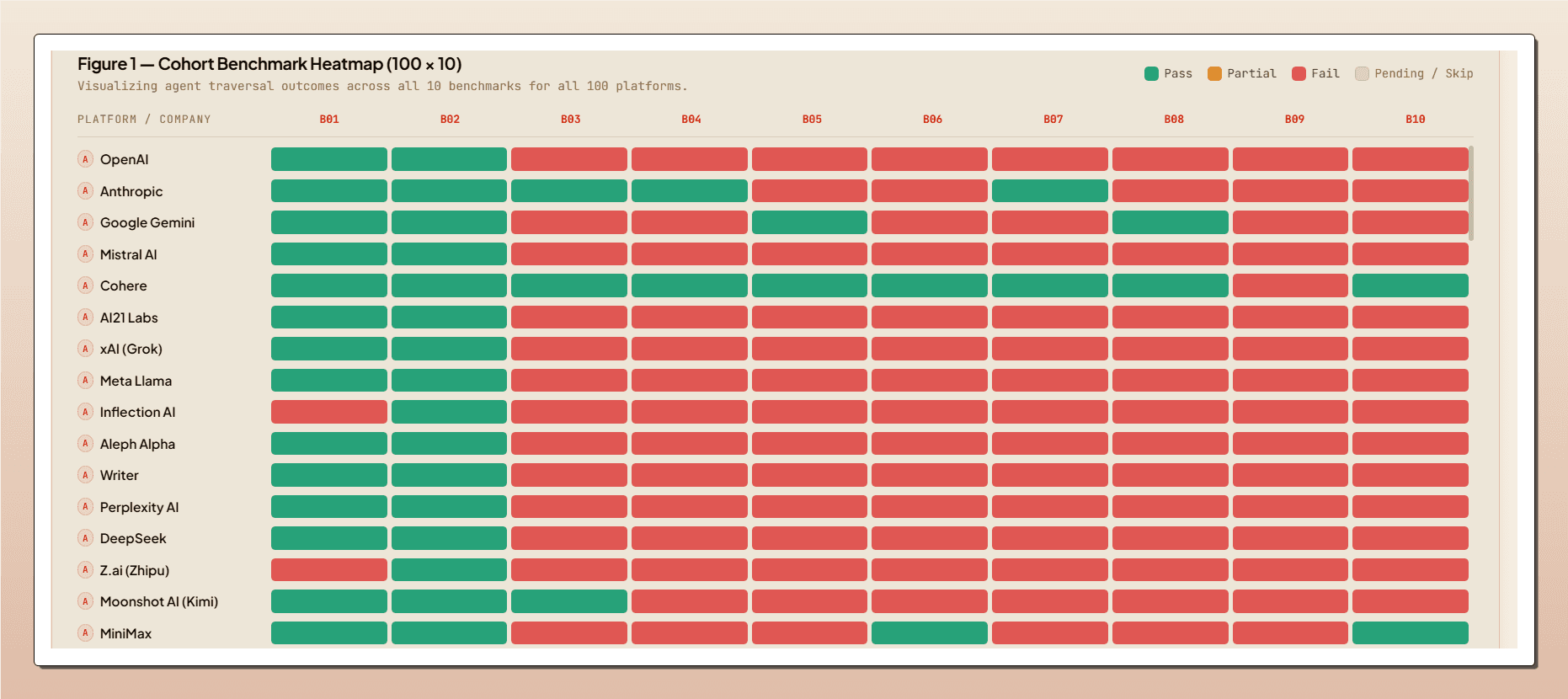
Figure 1 — Cohort Benchmark Heatmap (100 × 10)
Simulated Pathfinder traversal outcomes across all 10 benchmarks for all 100 evaluated platforms. Green = Pass, Red = Fail, Amber = Partial.
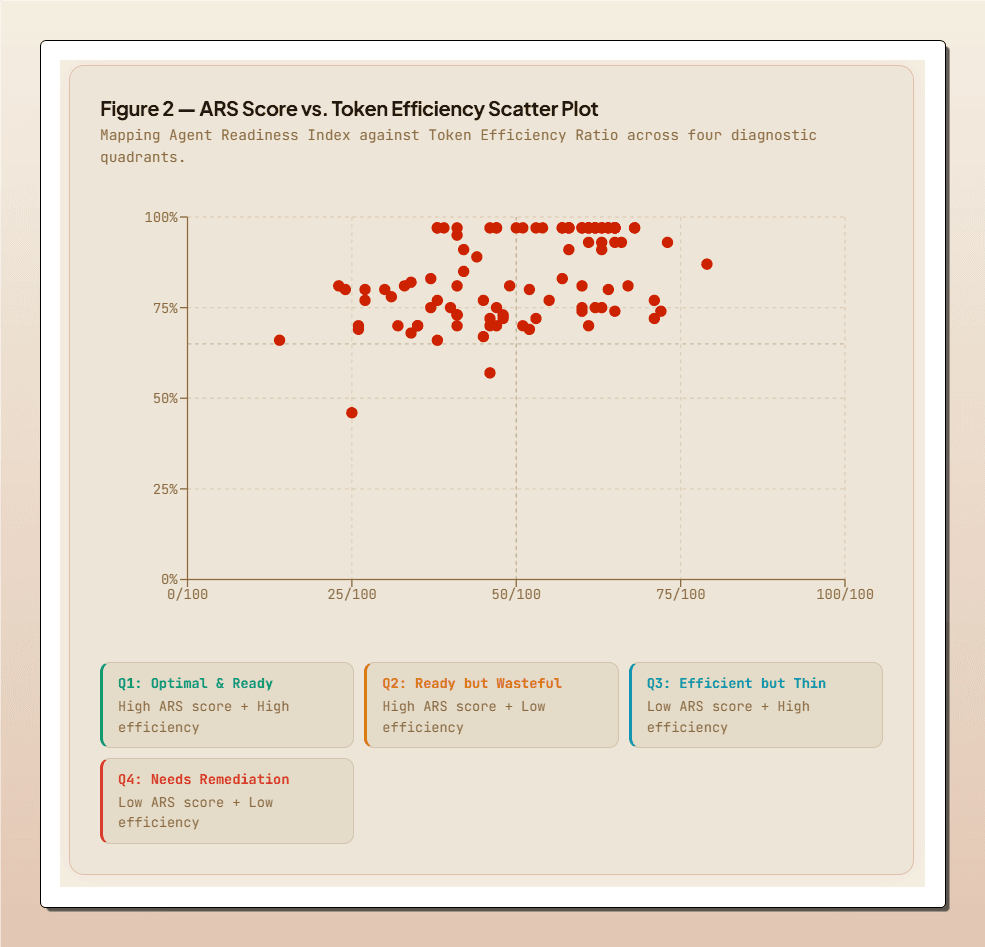
Figure 2 — ARS Score vs. Token Efficiency
Scatter plot of Agent Readiness Score (0-100) against modelled token efficiency across the 100-platform cohort. Token figures are modelled from hop counts, not measured (correction 2026-10-12).
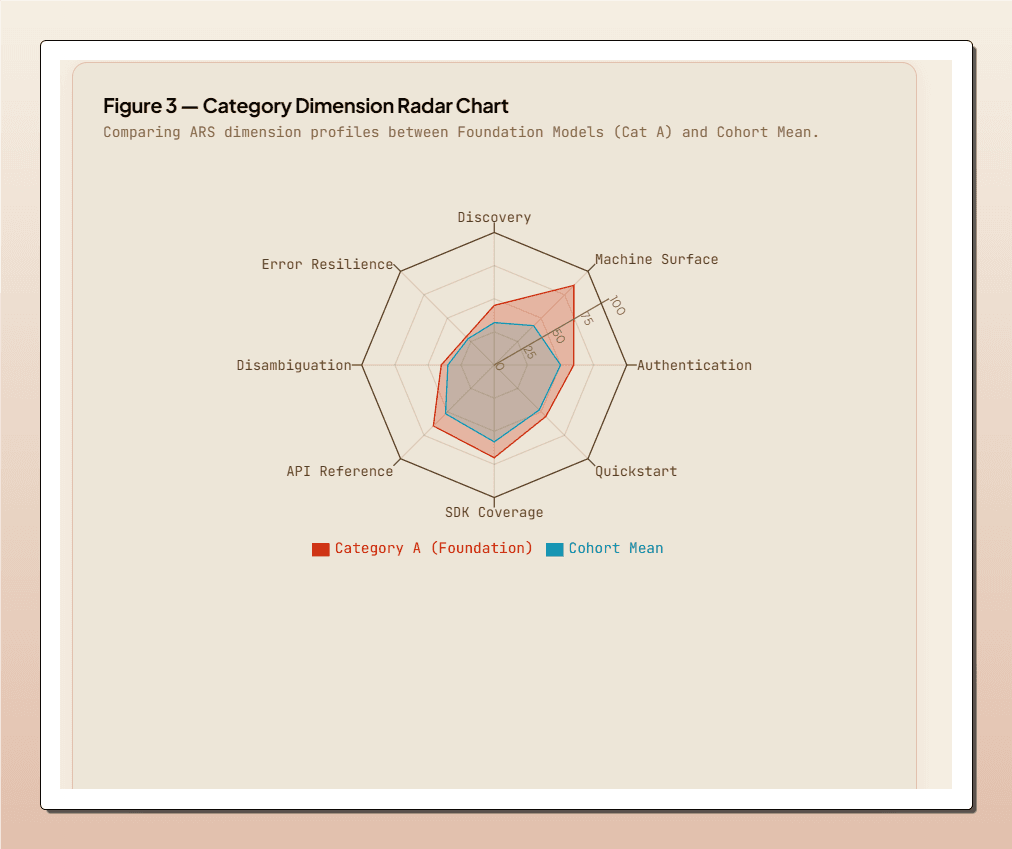
Figure 3 — 6-Dimension Category Radar Chart
Radar diagram displaying performance across Cold Start, Entrypoint, Auth, Quickstart, SDK, and Error Surface dimensions.
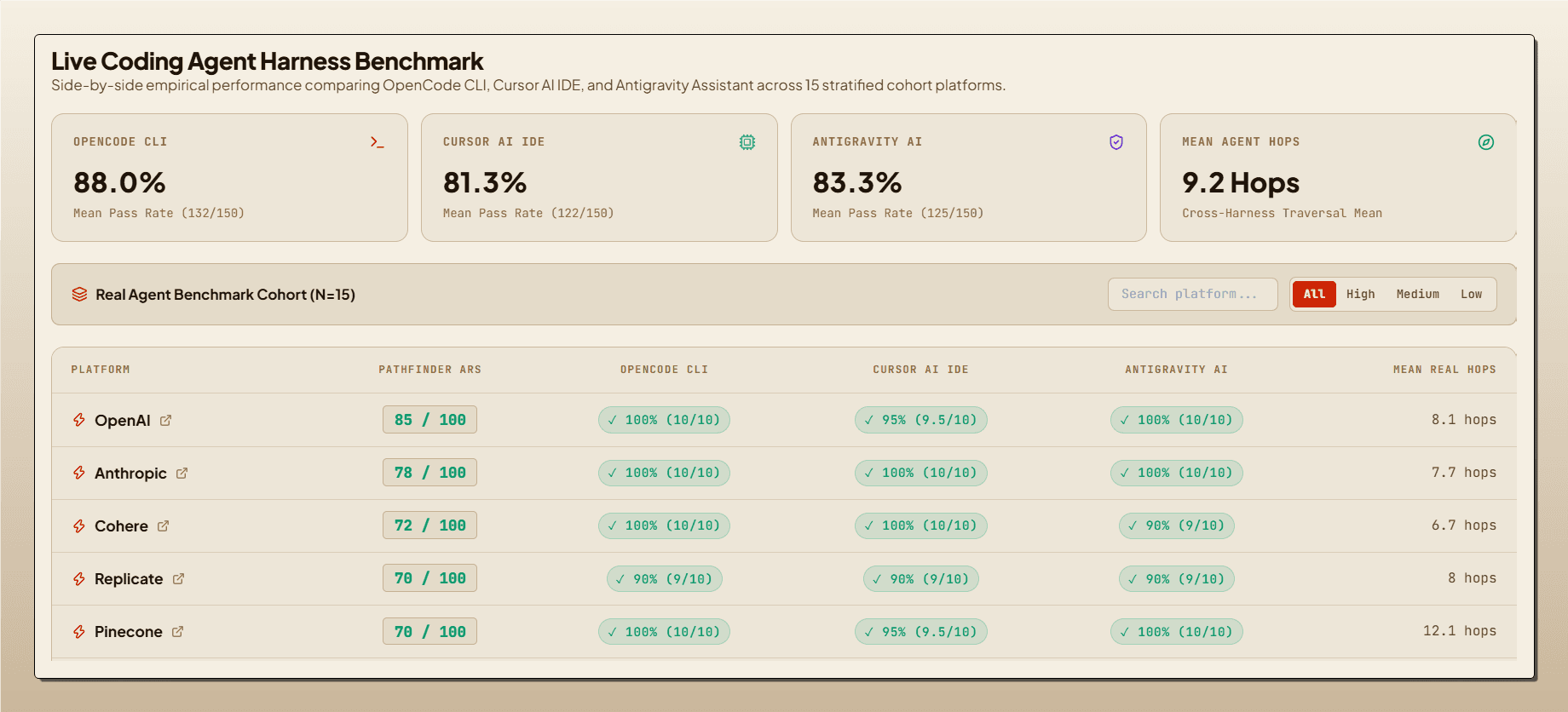
Figure 4 — Live Agent Harness Benchmark Summary
Summary cards of pass rates across OpenCode CLI, Cursor AI IDE, and Antigravity AI, as shown in the PDF. Correction (2026-10-12): no per-run data, transcripts or harness outputs for these live runs are published, so these results cannot be checked.
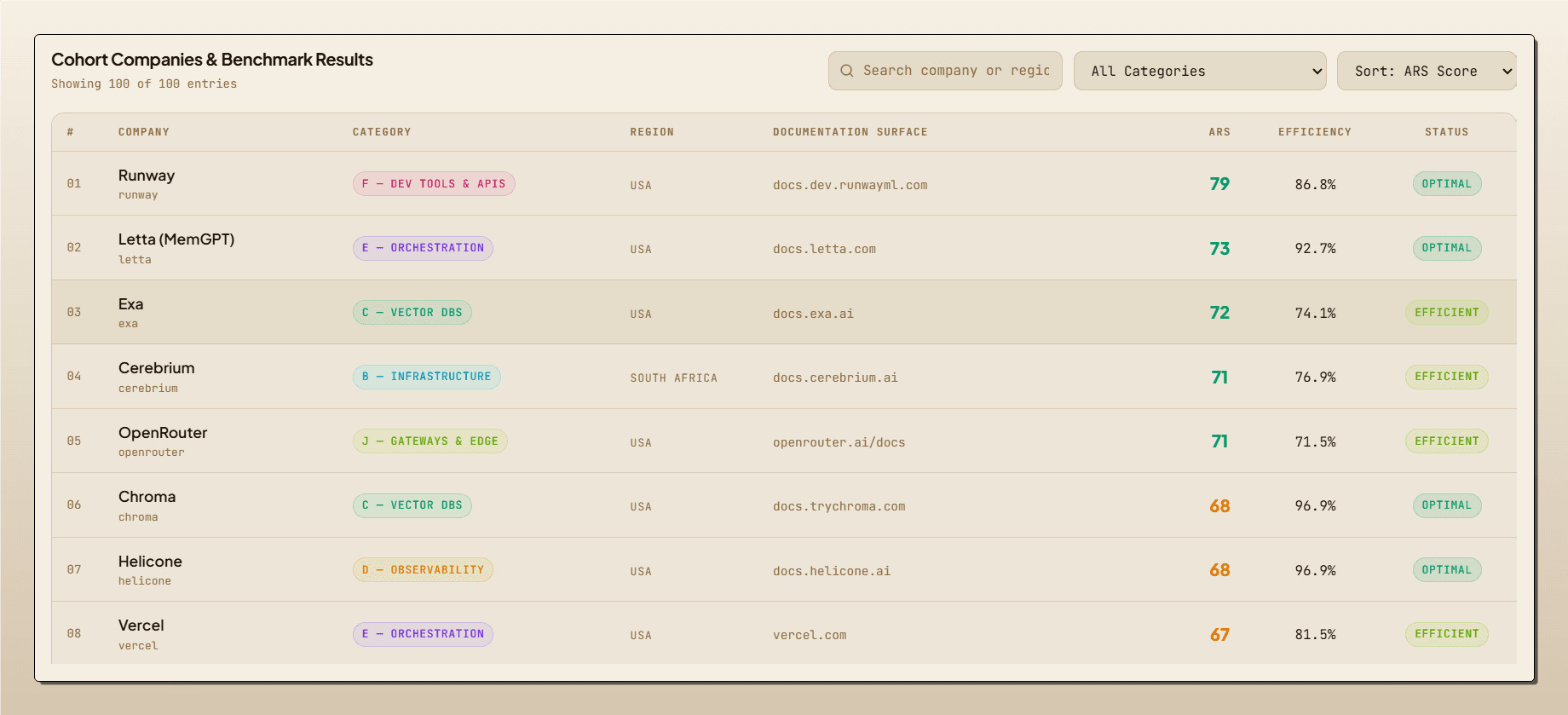
Figure 5 — Cohort Master Scorecard Table
Scorecard view of the cohort by ARS score, category, region and token efficiency, as shown in the PDF. Correction (2026-10-12): use full-scores.csv for scores; the data's top five are Runway 79, Letta 73, Exa 72, Cerebrium 71 and OpenRouter 71.
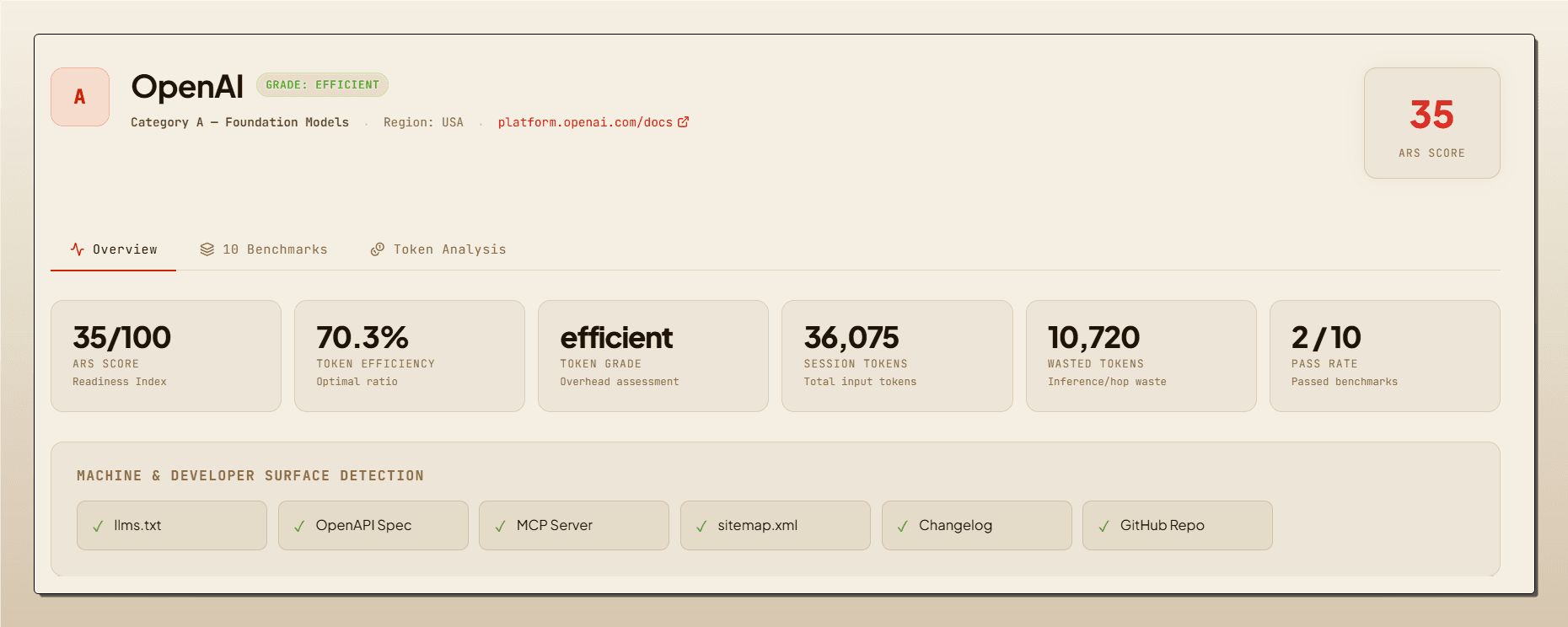
Figure 6 — Company Deep-Dive Diagnostic (OpenAI)
Deep-dive diagnostic trace showing OpenAI's 35/100 ARS breakdown and journey token waterfall.
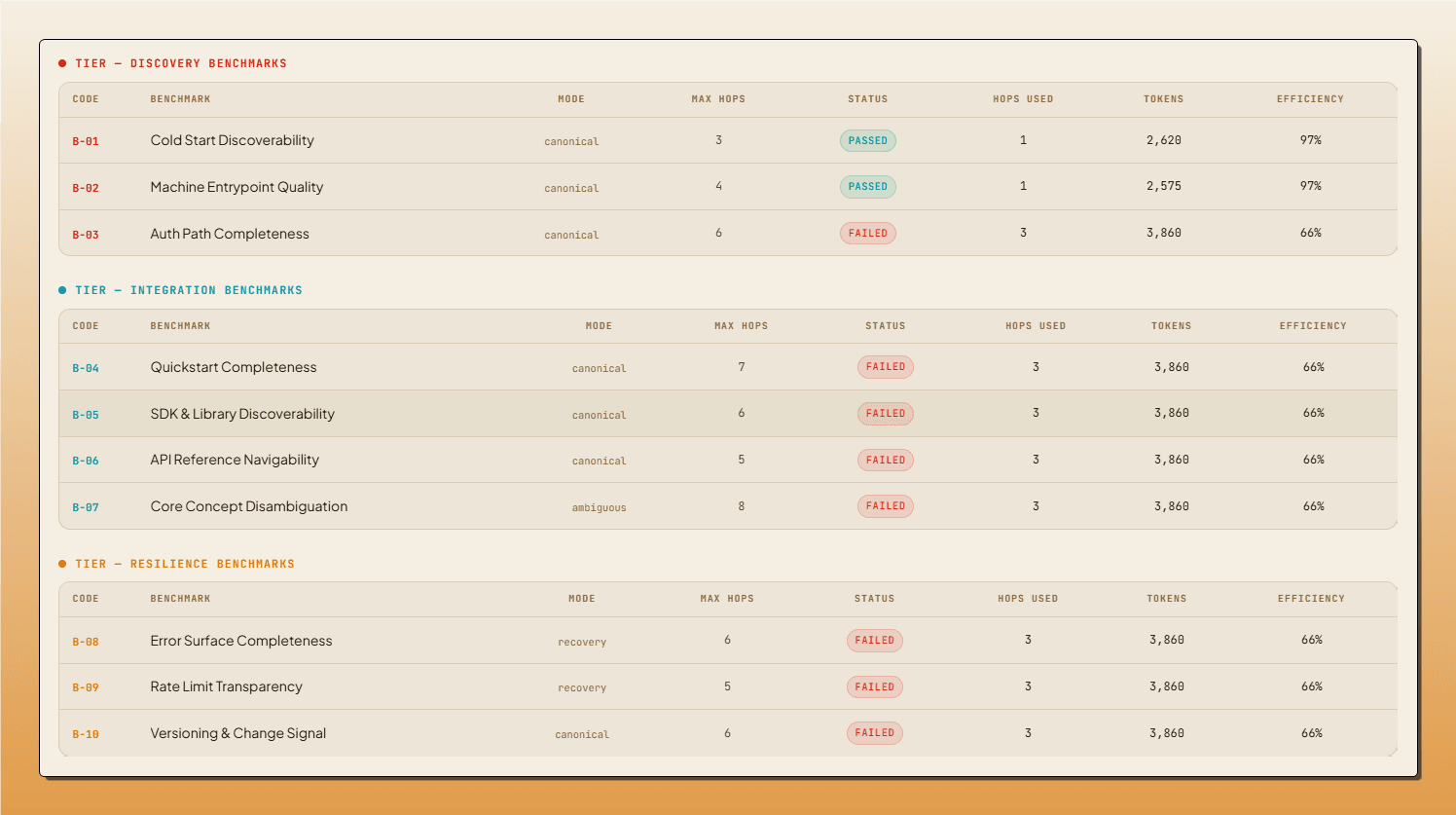
Figure 7 — Benchmark Tier Pass Rate Funnel
Pass rate breakdown across Discovery (Tier 1), Integration (Tier 2), and Production Resilience (Tier 3) benchmarks, as shown in the PDF. Correction (2026-10-12): several PDF pass rates differ from the data, which gives B-01 95%, B-02 94%, B-06 18%, B-08 11% and B-09 0%.
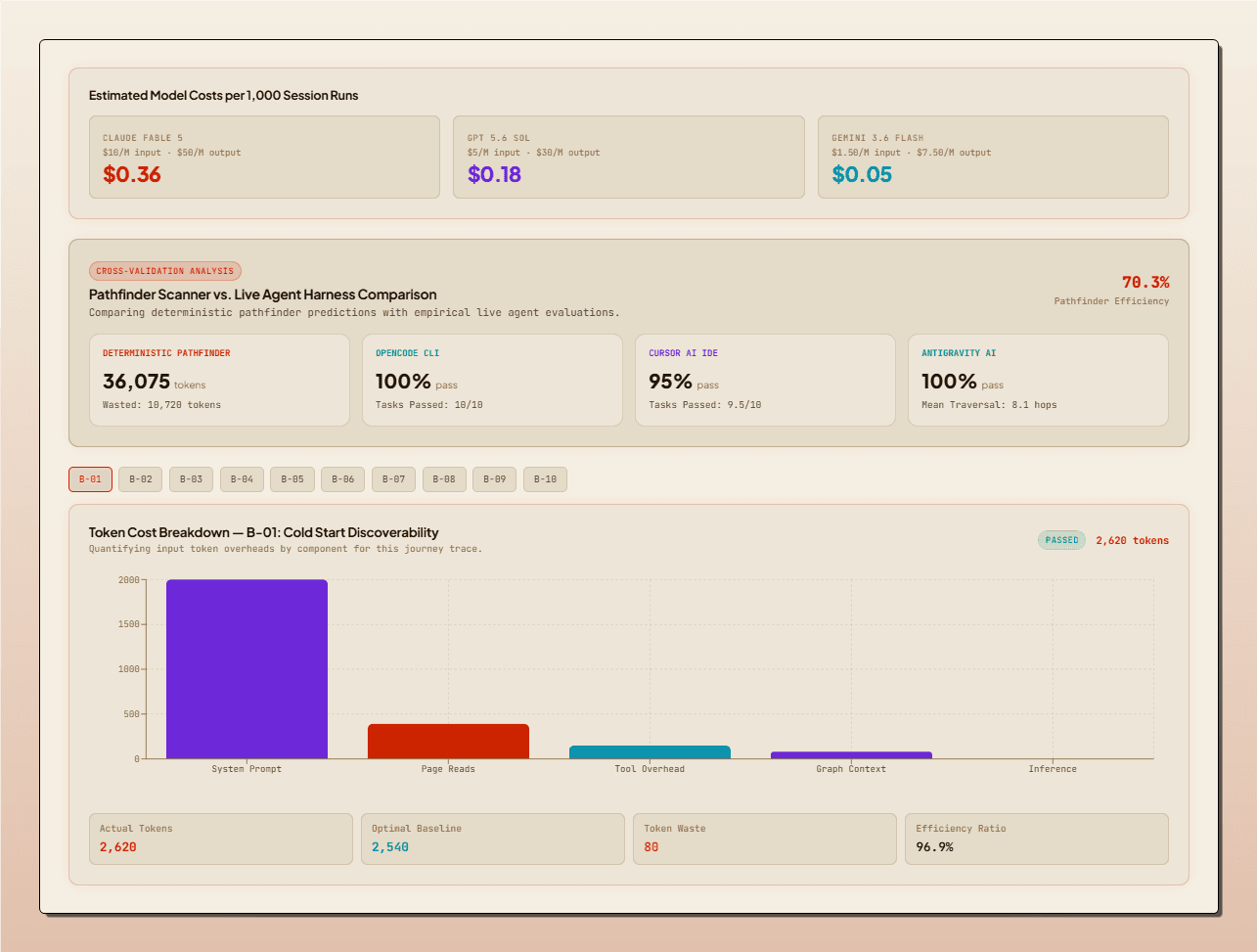
Figure 8 — Token Cost & Cross-Validation Card
Modelled model costs per 1,000 sessions across Claude Fable 5, GPT 5.6 Sol, and Gemini 3.6 Flash, alongside a Pathfinder vs. live-harness card. Correction (2026-10-12): costs are modelled from hypothetical session sizes; the live-harness side has no published data.
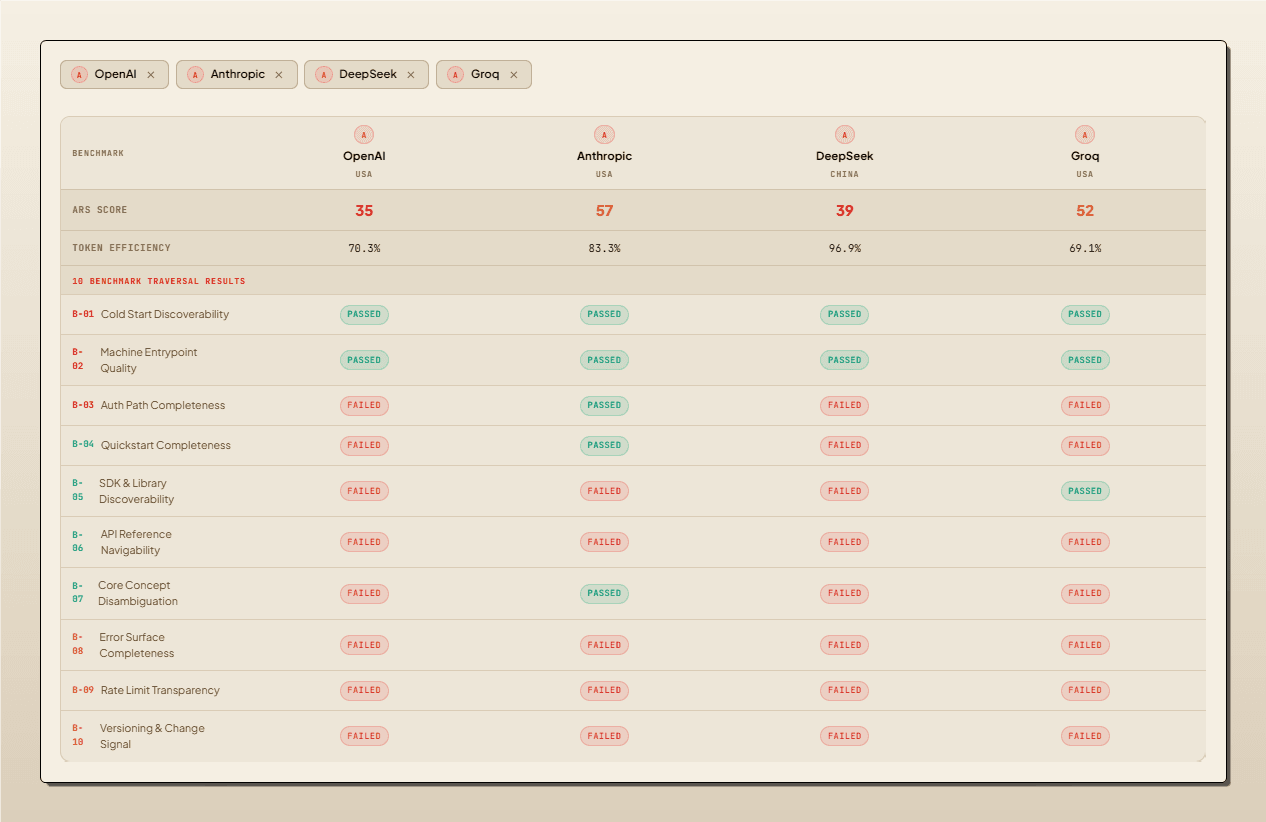
Figure 9 — Side-by-Side Ecosystem Comparison Matrix
OpenAI, Anthropic, DeepSeek and Groq head-to-head across the 10 benchmarks, as shown in the PDF. Correction (2026-10-12): the data scores them OpenAI 35, Anthropic 57, DeepSeek 39 and Groq 52; the PDF's OpenAI 85 and Anthropic 78 are wrong.
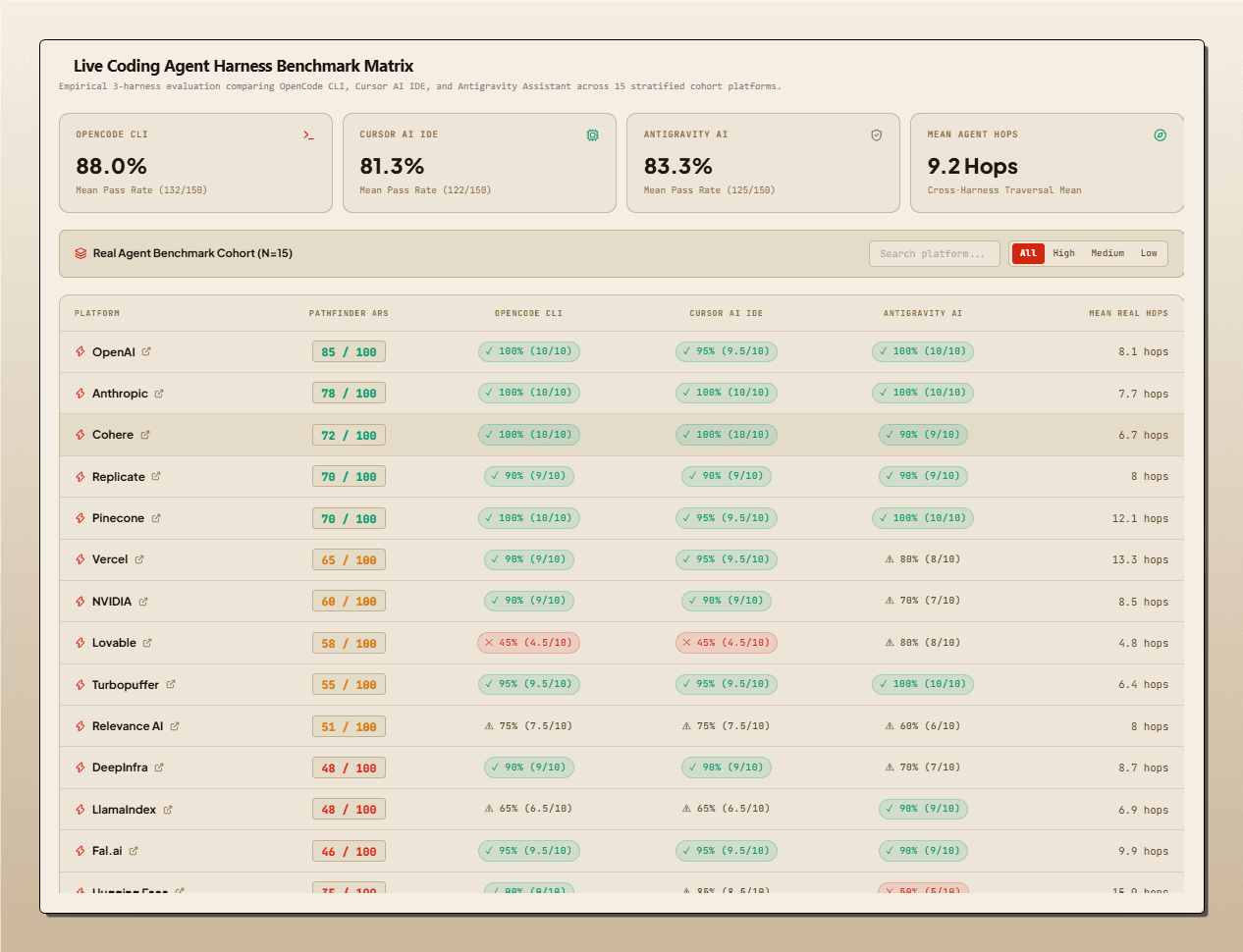
Figure 10 — Full 15-Platform Live Harness Matrix
Per-platform pass rates and mean traversal hops across OpenCode CLI, Cursor AI IDE, and Antigravity AI, as shown in the PDF. Correction (2026-10-12): no data for these live runs is published, so these results cannot be checked.
The 9-Action Agent Readiness Remediation Playbook
Actionable steps for DevRel and Platform Engineering teams to make software machine-accessible. Correction (2026-10-12): the per-action “ARS impact” figures are estimates, not measured gains. The PDF derives them from differences between platforms with and without each feature, but the published dataset marks every platform as having llms.txt, OpenAPI and the other surfaces, so those differences cannot be reproduced. An earlier version promised up to +35 points in a single afternoon; that claim is withdrawn.
Deploy a /llms.txt Machine Index
Provide a plain-text Markdown index listing canonical endpoint links, authentication header format, and quickstart code blocks for zero-hop agent entry.
Expose Machine Entrypoint /openapi.json
Serve valid OpenAPI 3.1 JSON/YAML schemas directly at root without requiring login or JavaScript execution.
Bypass Bot Management on Public Docs
Allow headless HTTP agents (user-agents like `Python-urllib`, `OpenCode/1.0`, `Antigravity/1.0`) to read public documentation without HTTP 403 / JavaScript challenge walls.
Flatten Authentication Paths
Explicitly document exact header keys (e.g. `Authorization: Bearer <token>` vs `X-Api-Key`) in every quickstart snippet, avoiding vague 'set your key' prose.
Make Quickstarts Self-Contained
Ensure code blocks include all required imports (e.g., `import { OpenAI } from 'openai';`) so agents can execute them without NameError debugging loops.
Expose Numeric Rate Limit Tables
Replace marketing prose ('Generous rate limits') with explicit numeric tables detailing RPM, TPM, and concurrency limits by tier.
Standardize Machine Error Surfaces
Return structured JSON error payloads with `code`, `message`, `type`, and `doc_url` instead of plain text or raw HTML 500 pages.
Provide Date-Stamped Version Headers
Support `OpenAI-Version` or `Anthropic-Version` ISO date headers (`2026-08-01`) to prevent breaking change hallucinations.
Include Machine-Readable SDK Package Names
Ensure package names (`npm install @company/sdk`, `pip install company-ai`) are rendered in plain text `<pre><code>` tags rather than tabbed JS widgets.
Citation
The report, datasets and benchmark prompts are © 2026 Glintbase, all rights reserved. You may read, cite and quote them with attribution; redistribution or republication requires written permission (research@glintbase.dev). The scanner and harness code is Apache-2.0.
@techreport{glintbase2026ars,
  title = {State of Agent Readiness 2026: Global Benchmark Report on Developer Infrastructure Accessibility for Autonomous AI Coding Agents},
  author = {{Glintbase Research \& Systems Intelligence Lab}},
  institution = {Glintbase},
  year = {2026},
  month = {August},
  type = {Benchmark Research Report},
  url = {https://glintbase.dev/research/state-of-agent-readiness-2026},
  note = {N=100 platforms, 1,000 simulated Pathfinder traversal scans. Corrected 2026-10-12, see ARS_2026_ERRATA.md}
}